
Get Livestock Fencing Installation in Cincinnati, OH
Livestock fencing installation services help Cincinnati property owners secure animals, prevent escapes, and define boundaries through various fencing types like wire, wood, or electric fences.
Livestock fencing installation services are essential for property owners in Cincinnati, OH, seeking to create secure and functional boundaries for their land. Proper fencing helps prevent livestock from wandering off, reducing the risk of accidents and ensuring animals stay safely within designated areas. Additionally, a well-installed fence enhances the overall safety of the property by keeping out unwanted visitors or predators, giving owners peace of mind while maintaining a controlled environment for their animals.
Beyond safety, livestock fencing offers practical benefits such as increased durability and reduced maintenance needs. Quality fencing materials withstand Cincinnati’s weather conditions, maintaining their integrity over time and minimizing the frequency of repairs or replacements. Aesthetic considerations are also important, as a neatly installed fence can improve curb appeal and add value to the property. Engaging experienced local contractors ensures that fencing is both functional and visually appealing, providing long-lasting benefits for property owners.
- Farm fencing installation may be needed for livestock enclosures on rural properties or farms near Cincinnati, OH.
- Pasture fencing is essential for creating secure grazing areas for livestock in agricultural regions.
- Ranch fencing services support large-scale livestock operations requiring durable barriers in open land areas.
- Perimeter fencing helps property owners define boundaries and secure livestock from wandering off rural or suburban properties.
- Erosion control fencing can be installed to protect livestock areas from land erosion in hilly or uneven terrains.

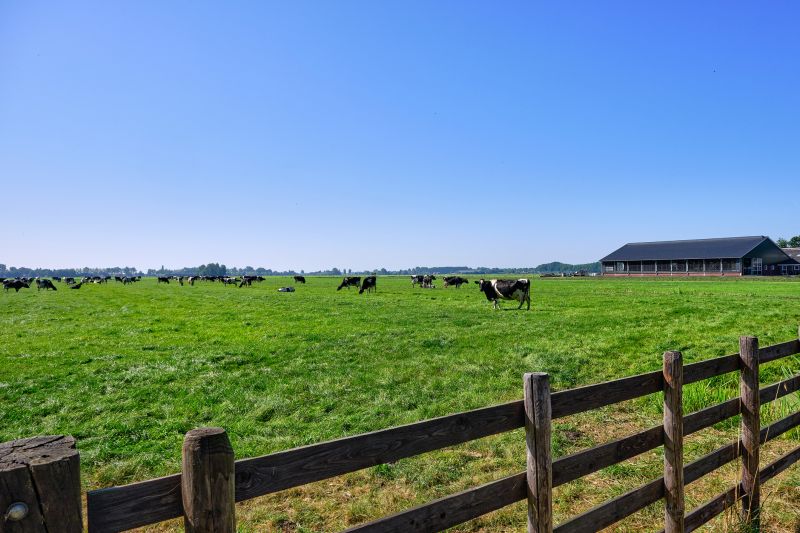
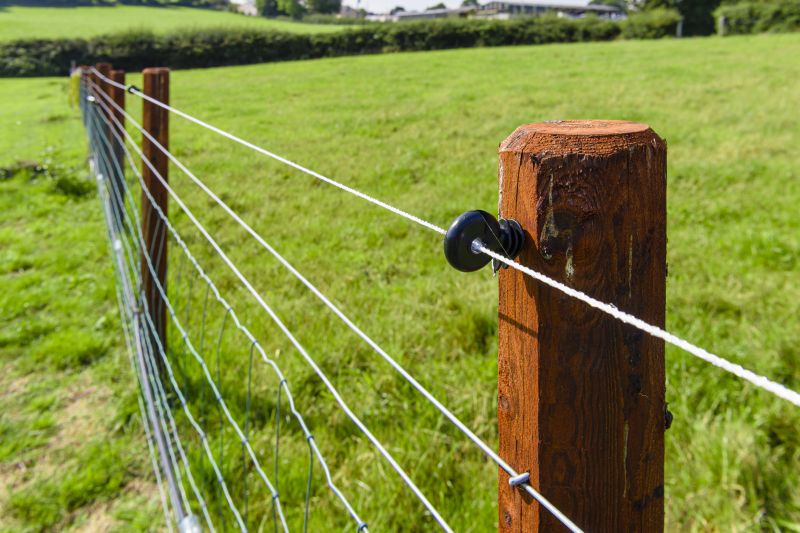
Livestock fencing installation services involve setting up barriers that contain and protect farm animals such as cattle, horses, sheep, and goats. These services typically include selecting appropriate fencing materials, preparing the property, and installing fences that are durable and secure. Local contractors may also advise on the best fencing options based on the type of livestock, terrain, and property layout to ensure the enclosure is effective and long-lasting.
One of the main issues livestock fencing helps address is preventing animals from wandering off the property, which can lead to safety concerns, property damage, or loss of livestock. Proper fencing also helps keep predators out, reducing the risk of harm to animals. Additionally, it can serve to organize grazing areas, improve land management, and establish clear boundaries, which are essential for maintaining a safe and productive farm or ranch.
Properties that typically utilize livestock fencing include farms, ranches, and rural residential properties with large outdoor spaces. These properties often require fencing to contain various types of livestock, whether for grazing, breeding, or transportation purposes. Commercial agricultural operations and hobby farms alike benefit from tailored fencing solutions that meet their specific needs and ensure the safety and well-being of their animals.
Professional livestock fencing installation services often work with a variety of fencing materials such as wood, wire, vinyl, or electric fencing, depending on the requirements. The installation process involves precise measurements, proper post placement, and secure attachment of fencing panels to withstand weather conditions and animal pressure. Contacting local fencing specialists can help property owners find the right solutions to effectively enclose their land and protect their livestock.
The overview below groups typical Livestock Fencing Installation projects into broad ranges so you can see how smaller, mid-sized, and larger jobs often compare in Cincinnati, OH.
In many markets, a large share of routine jobs stays in the lower and middle ranges, while only a smaller percentage of projects moves into the highest bands when the work is more complex or site conditions are harder than average.
Material Costs - The cost of fencing materials varies based on type, with prices typically ranging from $8 to $15 per linear foot for wire or wood options. For example, a 200-foot fence might cost between $1,600 and $3,000 in materials alone.
Labor Expenses - Installation labor can add approximately $5 to $12 per linear foot, depending on fence height, terrain, and complexity. A standard 150-foot fence might incur labor costs between $750 and $1,800.
Permitting and Additional Fees - Some projects require permits or inspections, which can range from $50 to $200. These costs vary by local regulations and project scope.
Total Project Cost - Overall, livestock fencing installation may range from $2,000 to $10,000 or more, influenced by fence size, materials, and site conditions. Contact local service providers for precise estimates tailored to specific needs.
Actual totals will depend on details like access to the work area, the scope of the project, and the materials selected, so use these as general starting points rather than exact figures.
Barbed Wire Fencing - local contractors can install barbed wire fencing to secure livestock and define property boundaries effectively.
Electric Livestock Fencing - service providers offer electric fencing solutions to contain animals safely and prevent escapes.
Wooden Fence Installation - professionals can construct durable wooden fences suitable for livestock enclosures and farm boundaries.
Chain Link Fencing - local pros provide chain link fencing options that offer a secure and long-lasting barrier for livestock areas.
Field and Pasture Fencing - specialists can install fencing systems designed to keep livestock contained within pastures and grazing fields.
Temporary Fencing Solutions - service providers offer temporary fencing options for events or seasonal livestock management needs.
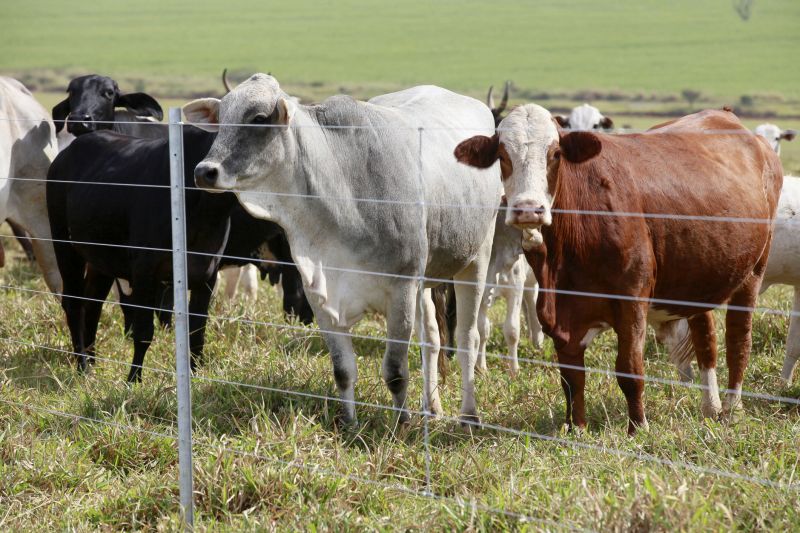
When choosing a professional for livestock fencing installation, it’s important to consider their level of experience with similar projects. Experienced local contractors typically have a history of completing fencing jobs for farms, ranches, or rural properties, which can contribute to a smoother installation process. Homeowners should inquire about the number of livestock fencing projects a contractor has completed and ask for details about the types of fencing materials and styles they are familiar with. This helps ensure the selected professional understands the specific needs of livestock containment and can recommend appropriate solutions based on their background.
Clear communication and well-defined expectations are essential when working with a fencing contractor. Homeowners should seek out providers who are willing to discuss project details thoroughly, including the scope of work, materials, and any site-specific considerations. Reputable local pros often provide written estimates or project outlines to help establish mutual understanding and avoid misunderstandings. Open communication also involves responsiveness to questions or concerns, which can contribute to a more efficient and satisfactory project experience.
Reputable references and reviews can offer valuable insights into a contractor’s reliability and quality of work. Homeowners are encouraged to ask for references from previous clients or look for online reviews that highlight the contractor’s professionalism, punctuality, and craftsmanship. It’s also beneficial to verify that the contractor has a strong reputation within the local community and positive feedback from past clients. Since this resource connects homeowners with local livestock fencing specialists, it’s important to consider these factors to identify professionals who consistently deliver quality results and maintain good communication throughout the project.
Property owners in Cincinnati, OH use Livestock Fencing Installation services for practical projects around their homes and businesses. The sections below highlight everyday jobs and straightforward project options.
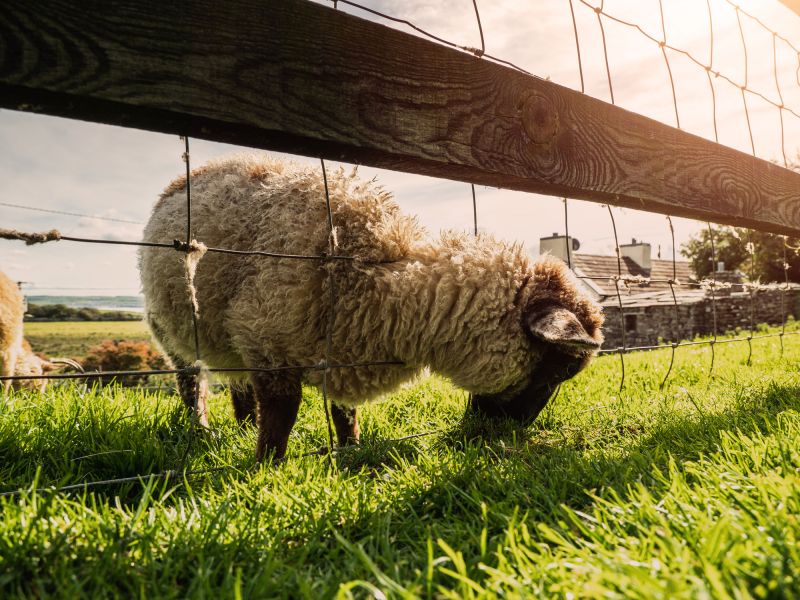
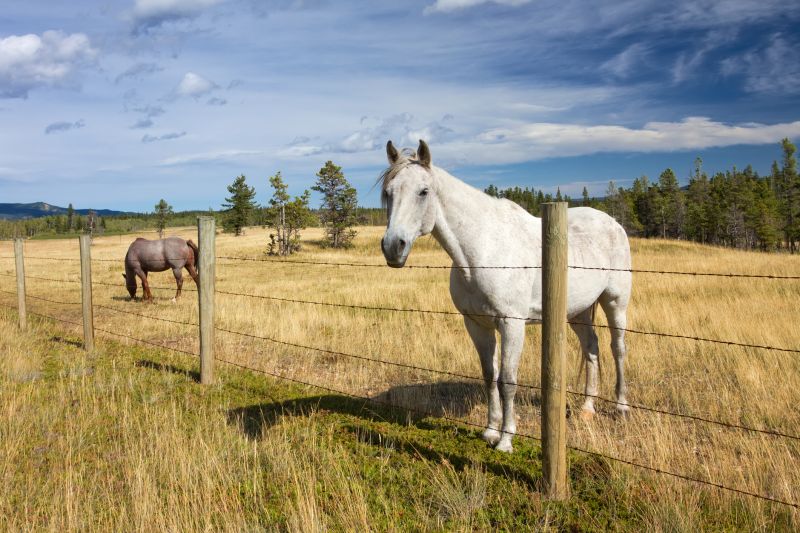
Livestock fencing installation is a common project for property owners in Cincinnati, OH who need to create secure boundaries for animals such as horses, cattle, or goats. Whether establishing a new pasture or replacing aging fencing, local contractors can help ensure the fencing is durable and appropriate for the specific type of livestock. Proper fencing can prevent animals from wandering off the property and protect them from potential hazards outside the enclosed area.
Property owners might seek fencing services for various practical reasons, including improving security, maintaining livestock health, or complying with local regulations. Additionally, some may want to enhance the privacy of their property or define property lines more clearly. Local fencing professionals can provide guidance on suitable materials and installation techniques to meet these needs effectively.
What types of fencing are suitable for livestock? Local fencing professionals can recommend options such as wire fencing, wooden fences, or electric fencing, depending on the type of livestock and property needs.
How long does livestock fencing installation typically take? Installation times vary based on the size of the area and fence type, but experienced contractors can provide estimates during the consultation process.
What materials are commonly used for livestock fencing? Common materials include galvanized wire, wooden posts, electric wires, and mesh panels, selected to ensure durability and livestock containment.
Is livestock fencing installation customizable for different animals? Yes, local pros can tailor fencing solutions to suit specific animals, such as cattle, horses, or sheep, to ensure safety and containment.
What factors influence the cost of livestock fencing installation? Costs depend on the fence type, materials, property size, and complexity of the installation, with local contractors providing detailed estimates.
Types of Fencing Materials - Explore the variety of fencing options suitable for livestock, including wood, wire, and vinyl, to find the best fit for specific needs.
Design and Layout Planning - Professional fencing services can assist in planning the layout to ensure secure and functional enclosures for different types of livestock.
Installation Techniques - Skilled contractors use proven methods to ensure durable and long-lasting fencing that withstands local weather conditions.
Permitting and Regulations - Local fencing experts can provide guidance on any necessary permits or regulations related to livestock fencing installation.
Considering Livestock Fencing Installation for a property in Cincinnati, OH? The sections above highlight common project types, practical options, and details that often shape the scope of work.
When you are ready, use the quote form to share a few details about your project. Local pros can review the basics and respond with options that match what you have in mind.